
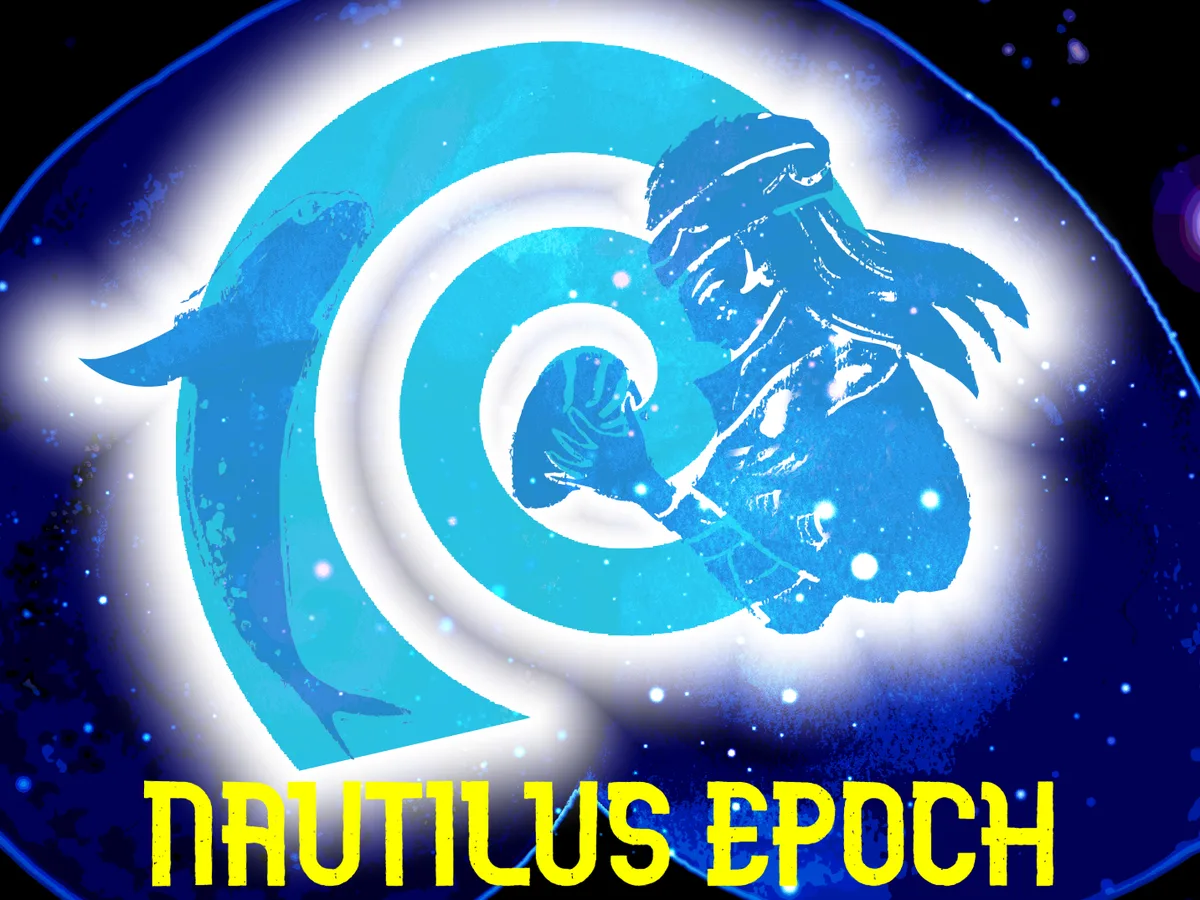
He painted an ocean, then turned it into a video game: the story behind Nautilus Epoch
What happens when family stories from the Kornati islands, a love of the Adriatic Sea and the art of painting meet the world of video games? You get Nautilus Epoch, a one-of-a-kind adventure by Croatian creator Roko Zaper, who is developing it from Australia. Every scene in it begins with a brushstroke, and the seabed hides stories that transcend time.
While most modern video games rely on advanced 3D technology and ever more realistic graphics, Nautilus Epoch takes a completely different approach.
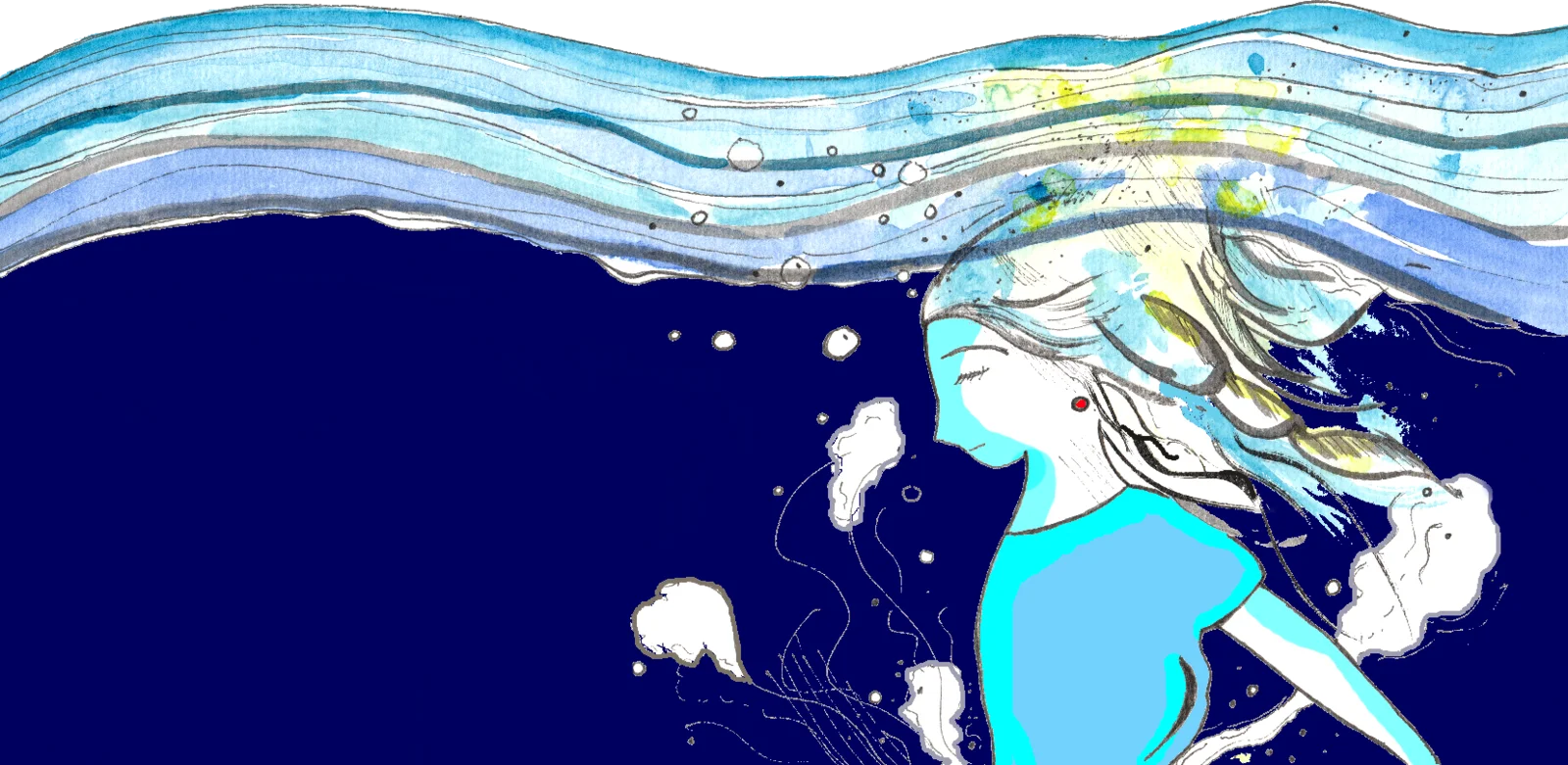
The world of this game was not created in a classic digital environment. Its characters, landscapes and underwater scenes were first painted by hand in watercolour and ink, and only then carried over into the interactive world of the game.
Behind the project is Roko Zaper, an author of Croatian descent who lives and works in Sydney. He found inspiration for his adventure right where many stories of his childhood began: on the Croatian islands and in the depths of the Adriatic Sea.
From grandmother's stories to a virtual Adriatic
The story of Nautilus Epoch begins in a small fishing village on the Adriatic during the Second World War, but its roots reach much deeper, into family memories and stories the author heard while growing up.
“I very often listened to the stories of my grandmother, who grew up on the Kornati islands during the Second World War. I thought some of those stories would be fascinating starting points for an adventure, and for a long time I wanted to bring one of them to life creatively,” Roko recalls.
But the inspiration did not come from words alone. Swimming and diving in the same sea deepened his connection to the place. The solitude of the islands, the silence of the seabed and the sense of an unexplored world beneath the surface became an important part of the atmosphere he wanted to convey to players.
“When I swam and dived in that same sea, I felt those stories even more strongly – through the solitude of those islands and through the depth of the sea, an even greater mystery and a desire to express it creatively seemed to awaken.”
It is exactly this combination of personal memories, history and the natural beauty of the Adriatic that became the foundation of an adventure that takes players far beyond the borders of one place and one period.
Every scene began on paper
One of the most interesting features of Nautilus Epoch is its visual identity. Instead of classic digital drawing, Roko decided to create almost the entire visual world of the game with traditional artistic techniques. Each illustration was first painted in watercolour and ink, then digitised and adapted to the needs of a video game.
“I always loved sketches and concepts for video games and often wondered why nobody would try to make a game based directly on drawings. Now I know that it is not easy at all, because game design often demands visual clarity,” the author explains.
Turning static illustrations into a working interactive experience proved to be one of the project's biggest creative challenges. A balance had to be found between artistic freedom and the clarity a video game must give the player. Roko tried to keep as much of the original look of his illustrations as possible, with minimal digital intervention.
A similar approach was applied to the animation. Inspired by the aesthetics of retro video games, he opted for subtle movements and carefully chosen details instead of overly complex animation systems. The result is a visual world that feels more like an illustrated book come to life than a traditional video game.

A journey through time and the mysteries of ancient oceans
Although the adventure begins on the Adriatic during the Second World War, Nautilus Epoch is not limited to a single historical period. While exploring, players will be able to visit different epochs, including the distant past of our planet.
Creating scenes of ancient oceans was one of the author's biggest challenges. Unlike today's seabed, of which we have countless photographs, scientific studies and documentary footage, the look of oceans from the distant past is largely left to interpretation.
“It took a long time to realise the epoch of the distant past because not much is known about ancient oceans. You have to find a balance between imagination and science,” Roko points out.
Behind the depiction of prehistoric life there is also a deeper idea. The author wants to encourage players to think about how we perceive other living beings and how much we really understand the world around us.
“As part of the production I wanted to convey the idea that, even though we do not understand the language of the other creatures in the game, that does not mean they have no thoughts and intentions of their own.”
This approach gives the game an extra dimension, turning the exploration of the seabed into an experience that goes beyond a classic adventure.
More than a video game: a story about a sea we must protect
At the heart of the game is also an important ecological message. Nautilus Epoch explores themes of marine conservation, biodiversity and the protection of endangered species, among which the Mediterranean monk seal, one of the most endangered marine animals of our region, has a special place.
Still, the author stresses that his goal is not to make a classic educational video game. Instead of teaching directly, he wants players to develop a sense of connection with the sea on their own, through exploration, atmosphere and interaction with the animals.
“I think I would like the player to feel at the same time how small a part of life on Earth they really are, but also to feel freedom and a connection with everything that has existed and will continue to exist.”
It is in this idea that the core of the whole project lies. The sea is not just a backdrop to the story, but a world with its own history, inhabitants and stories.
“I think anyone who loves being in the sea, especially the Adriatic, could find enjoyment simply in virtually swimming with sea creatures they may already know,” the author adds.
Through such an experience, Nautilus Epoch tries to bring the importance of protecting nature closer to players, without giving up exploration, adventure and the feeling of discovering the unknown.
Croatian inspiration, a global gaming audience
Although it is being developed thousands of kilometres from Croatia, Nautilus Epoch is deeply tied to Croatian natural and cultural heritage. From the stories of the Kornati to scenes of the Adriatic seabed, the game shows how local history and personal experience can become the inspiration for a video game aimed at an international audience.
At a time when the gaming industry is dominated by large studios and big-budget productions, independent projects like this remind us that a strong idea, a distinctive art style and a personal story can matter as much as technological achievement.
For the Croatian gaming community, Nautilus Epoch is an interesting example of a creative project that brings together traditional art, game development and themes of nature conservation.
Nautilus Epoch arrives in January 2027
Nautilus Epoch is planned for release in January 2027, and anyone interested can already add the game to their Steam wishlist.
If you love independent games, hand-painted worlds, exploration and the Adriatic Sea, this is a title well worth following. Find out more about the game at nautilusepoch.com.